info@helmc.com

Marine Claims Handling: From First Notification to Settlement
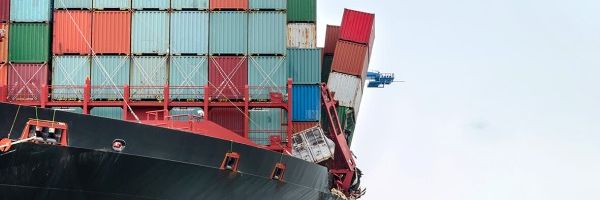
Marine claims handling brings together operational events, insurance coverage, technical evidence and commercial decisions, often under considerable time pressure.
A collision, grounding, machinery failure, cargo incident or injury may involve shipowners, managers, insurers, brokers, surveyors, lawyers, charterers and third parties. Knowing how to respond in the first hours and days can materially affect recovery, liability exposure, business continuity and the eventual settlement.
For professionals looking to build a structured, practical approach to these situations, HMC’s online Marine Claims Handling seminar examines the claims process through real-world case studies and industry-led practical examples.
What Is Marine Claims Handling?
Marine claims handling is the process of managing a loss, incident or potential liability arising from maritime operations. It includes establishing the facts, preserving evidence, notifying relevant parties, assessing insurance response, appointing experts and working towards a fair and commercially sound resolution.
Marine claims may involve:
- Damage to a vessel, machinery or equipment
- Collision, grounding or contact damage
- Cargo loss, damage or delay
- Crew, passenger or third-party liabilities
- Pollution and environmental exposure
- Salvage and General Average
- Shipowners’ liabilities
- Recovery of repair costs and associated expenses
Effective claims handling is not simply about reporting a loss to insurers. It is about protecting the assured’s position, organising the available facts and ensuring that operational decisions support the wider insurance and legal strategy.
Why the First Response Matters
The first response after a maritime incident often determines how efficiently the claim can be managed later.
Safety of people, the vessel, cargo and the environment will always come first. Once these priorities are addressed, the team must quickly begin protecting its contractual and insurance position.
Immediate actions may include:
- Notifying insurers, brokers and relevant stakeholders
- Reporting the incident internally
- Securing contemporaneous evidence
- Recording the condition of the vessel, cargo or affected property
- Preserving logs, correspondence and relevant documents
- Appointing surveyors, technical experts or legal advisers where necessary
- Taking reasonable steps to prevent further loss
A late notification, an incomplete report or unstructured internal communication can make a complex claim even more difficult to resolve.
The Marine Claims Handling Process
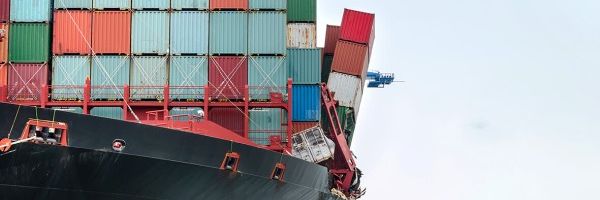
While each casualty is different, most marine claims move through several core stages.
Initial notification
The initial notification should be timely, factual and concise. It should identify the incident, vessel, location, known damage or loss, immediate actions taken and relevant parties involved.
At this stage, teams should avoid assumptions about fault or final liability. The facts may change as surveyors inspect the damage, witness statements are obtained and contractual documents are reviewed.
Evidence preservation and claims records
Marine claims frequently depend on evidence collected shortly after the event. Relevant records can include:
- Deck, engine and radio logs
- Incident reports
- Photographs and video footage
- Crew and witness statements
- Navigational and voyage records
- Maintenance records
- Survey reports
- Repair quotations and invoices
- Charterparty, bills of lading and other contractual documents
- Correspondence with authorities, terminals and third parties
Strong claims records create a reliable chronology: what happened, what was done, what has been spent and what remains unresolved.
Insurance response and expert coordination
A single casualty can trigger several insurance and liability considerations. Hull & Machinery, Protection and Indemnity, cargo, Defence or specialist covers may all become relevant, depending on the incident.
This requires close coordination between the assured, broker, insurers, surveyors, average adjusters and legal advisers. The claims handler needs to understand not only what happened, but also which policy may respond, what information is required and what actions are needed to preserve recovery rights.
This practical coordination is a major focus of HMC’s Claims Handling seminar, which uses real-world case studies to explore complex marine claims.
The Role of the Insurance Broker in Marine Claims
Insurance brokers can provide important support throughout a marine claim. Their role may include helping with notifications, coordinating communication with insurers, clarifying claims procedures and assisting with the preparation of information required for a claim.
For shipowners and managers, a proactive broker can help maintain momentum and ensure that the right issues are escalated at the right time.
However, the assured’s own operational records, technical information and internal coordination remain central. The strongest results come when operations, technical, insurance and legal teams work from a clear and shared claims file.
Common Mistakes That Can Weaken a Marine Claim
Even highly experienced organisations can face pressure after an incident. The most common issues include:
Late notification
Delays can limit the ability of insurers to investigate, appoint experts and support the response at an early stage.
Missing evidence
Without timely records, photographs, statements or technical information, it may become harder to establish causation, liability or the value of a claim.
Fragmented communication
Important information may sit with operations, technical teams, finance, legal advisers or external parties. A central claims record helps keep the full picture visible.
Premature admissions or commitments
External communications following an incident can have legal and commercial implications. Teams should know who has authority to make statements, negotiate or accept responsibility.
Poor documentation of costs
Emergency expenditure may be essential, but it should be documented and supported. Claims handlers need a clear record of why costs were incurred and how they relate to the incident.
Developing Practical Claims-Handling Capability
Marine claims handling requires more than theoretical familiarity with insurance terms. Professionals must be able to respond calmly under pressure, identify the facts that matter, preserve evidence, coordinate experts and understand the commercial consequences of each decision.
This is particularly important in claims involving Hull & Machinery damage, General Average, salvage, collision and shipowners’ liabilities.
For professionals who want to strengthen these skills in a structured format, the HMC Claims Handling Online Seminar covers:
- Marine insurance fundamentals
- The role of insurance brokers and insurance markets
- Claims records and claims management
- Hull & Machinery claims
- Constructive Total Loss and abandonment
- General Average, salvage and Sue and Labour
- Shipowners’ liabilities
- Practical claims scenarios and case studies
Build Confidence in Handling Marine Claims
Marine claims handling brings together operational events, insurance coverage, technical evidence and commercial decisions, often under considerable time pressure.
A collision, grounding, machinery failure, cargo incident or injury may involve shipowners, managers, insurers, brokers, surveyors, lawyers, charterers and third parties. Knowing how to respond in the first hours and days can materially affect recovery, liability exposure, business continuity and the eventual settlement.
For professionals looking to build a structured, practical approach to these situations, HMC’s online Marine Claims Handling seminar examines the claims process through real-world case studies and industry-led practical examples.